A creator I know spent months uploading consistently and barely moved the needle on subscribers. Then she changed one thing, her thumbnails and titles, nothing else, and growth finally started clicking. That's the strange part about YouTube. The platform rewards patterns, not luck, and once you understand the pattern, growth stops feeling random.
This blog walks through what actually moves the needle right now: search optimization that gets you found, watch time that keeps the algorithm on your side, retention tricks that stop viewers from clicking away, and the monetization paths that turn views into income. If you are chasing consistent growth or looking at a YouTube monetization service to speed things up, this should give you a real map instead of vague tips.
Why YouTube SEO Still Matters More Than People Think
YouTube functions as a massive search engine in its own right. People forget that because they think of it as pure entertainment, but a huge chunk of searches are informational. "How to fix a leaking faucet." "Best budget laptop for students." "Easy dinner recipes for one person." Every one of those is a search query, and every one of those has a winner sitting at the top of the results. Getting there isn't complicated; it just takes patience.
Keyword Research Without the Guesswork
Type your topic into the YouTube search bar and look at the auto-suggestions. Those suggestions come from real searches, not guesses. Then check what's already ranking for that term. If the top results look thin or outdated, that's a gap worth filling.
Titles need the keyword near the front. Descriptions should read naturally but reference the keyword a couple of times early on, since that's what shows in search previews. Tags matter less than they used to, but they still help the algorithm understand context.
Thumbnails Are Basically Your Storefront Sign
A boring thumbnail kills a good video before anyone even presses play. Bright contrast, a clear focal point and minimal text work best. Faces with visible emotion tend to outperform flat graphics; this pattern shows up consistently across creators of all sizes.
Watch Time: The Metric That Runs the Whole Show
Watch time is basically how long people stay on your video, added up across every view. YouTube cares about this more than almost anything else because its whole business depends on people staying on the platform longer. A video where viewers stick around for most of its runtime tells the algorithm "keep recommending this."
This is also where a lot of newer channels get impatient. They see slow growth and start looking at shortcuts, and yes, some creators choose to buy watch hours for YouTube as a way to reach monetization eligibility faster. It's a real strategy some agencies offer, though it works best as a supplement to genuine content, not a replacement for it. Watch hours without real audience interest tend to plateau quickly because the algorithm eventually notices the mismatch between views and engagement.
What Actually Builds Watch Time Naturally
Pacing matters more than production value. A video that starts strong, teases what's coming, and delivers on that promise right away holds attention far better than one with a slow intro.
Chaptering long videos helps too. Viewers skip to the part they want, watch it fully, and sometimes stick around for more. That counts as watch time even if they didn't watch it start to finish.
Retention: The Silent Killer of Channel Growth
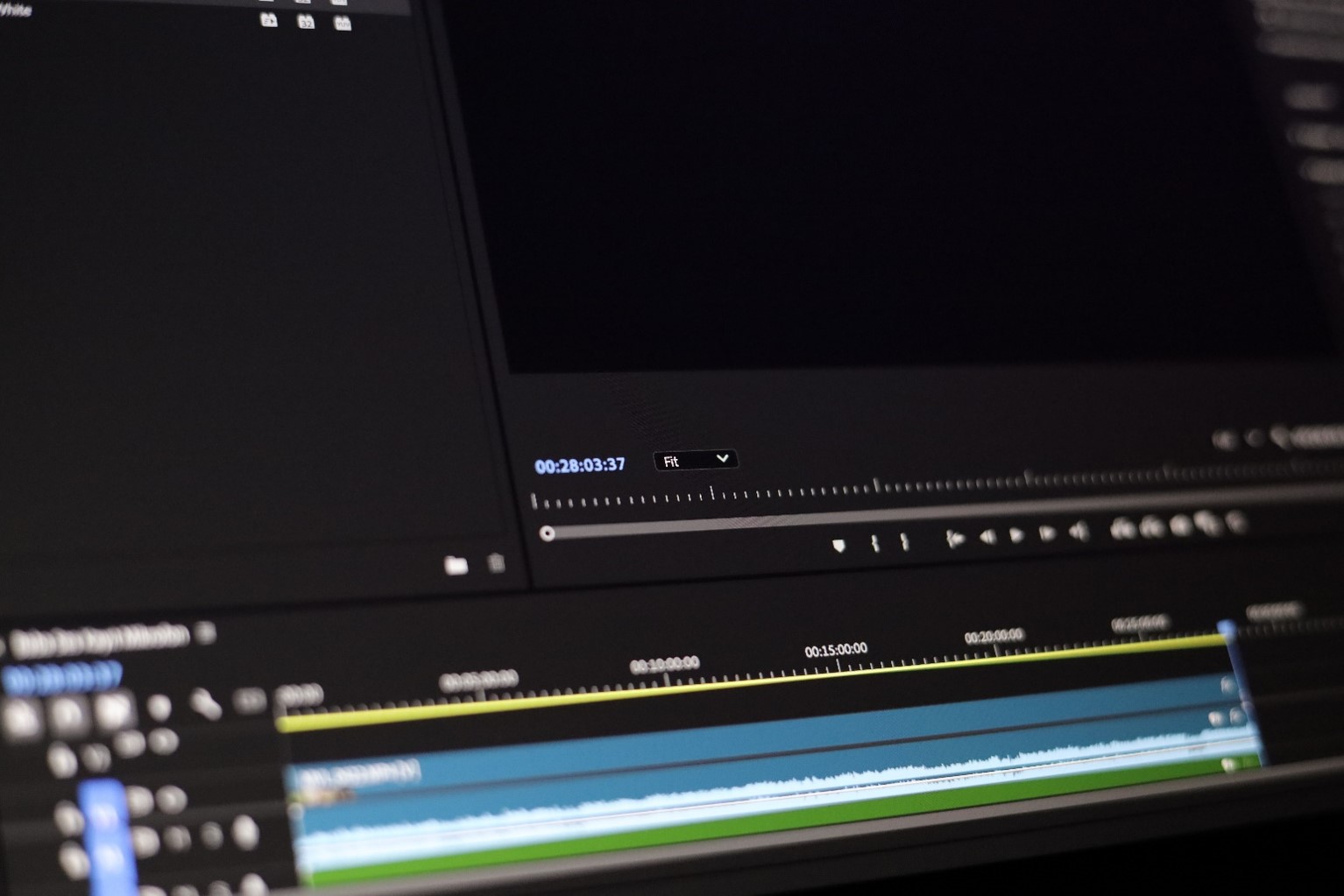
Retention and watch time are cousins but not twins. Retention is the percentage of a video that people actually watch. A shorter video with strong retention beats a longer video that loses most viewers early, even though the raw watch time numbers might look similar on paper.
Check your YouTube Studio retention graph. Nearly every channel has at least one video with a steep drop right near the beginning. That's usually a slow intro, a logo animation nobody asked for, or an off-topic ramble before getting to the point.
A few things that consistently improve retention:
- Cut the fluff at the start. Skip the "hey guys welcome back" routine and get into the content immediately.
- Use pattern interrupts. Change camera angles, add text overlays, or shift tone every so often to keep the brain engaged.
Retention isn't glamorous work. It's frame-by-frame editing decisions that add up over dozens of videos. But it compounds, and channels that fix retention issues often see subscriber growth follow soon after, without changing anything else about their content plan.
Monetization: Turning Views into Actual Revenue
Once a channel clears YouTube's eligibility requirements, monetization opens up in layers. Ad revenue is the obvious one, but it's often the smallest slice for mid-size creators. Sponsorships, affiliate links, channel memberships, and merchandise usually bring in more once a channel has a loyal audience. Brands look at engagement rate almost as much as subscriber count now; a smaller channel with highly engaged subscribers can out-earn a much larger one with passive followers.
This is also where audience quality becomes the real conversation. Building a base of real YouTube subscribers who actually watch, comment, and share matters more long-term than raw numbers, because brands and the algorithm both reward genuine engagement over vanity metrics. A channel padded with inactive followers tends to see its videos suppressed in recommendations, since the platform reads a low engagement percentage as a signal that the content isn't resonating.
Diversifying Income Without Losing Focus
Trying several monetization methods at once usually backfires. Pick one or two that fit the niche naturally. A cooking channel might lean into affiliate links for kitchen tools. A tech reviewer might focus on sponsorships. Forcing merch onto a channel that doesn't have a brand identity yet tends to flop.
Case in Point
A mid-sized fitness channel restructured its upload schedule around search intent, targeting specific workout queries instead of generic motivational content. Within a short stretch, watch time climbed noticeably, and the channel crossed the monetization threshold well ahead of its original timeline. Nothing exotic happened, just consistent SEO targeting combined with retention fixes on existing videos.
Conclusion
Growth on YouTube is not one trick; it's four systems working together. Search optimization gets the video discovered. Watch time tells the algorithm the content deserves distribution. Retention proves people actually care once they click. Monetization turns that attention into something sustainable.
Skipping any one of these creates a lopsided channel that struggles to scale. Fix the weakest link first, measure again after a while, then move to the next.
Social Media Marketplace works with creators at every stage of this process, from optimizing search visibility to supporting monetization goals with practical, results-driven services.
FAQs
How long does it take for a YouTube channel to start earning money?
Most channels take between six months and a year to hit the 1,000 subscriber and 4,000 watch hour requirement, though niche and consistency both affect the timeline significantly.
Does buying watch hours for YouTube actually help with monetization?
It can help a channel reach the eligibility threshold faster, but long-term growth still depends on real audience engagement and content that keeps viewers watching.
What's the difference between watch time and retention?
Watch time is the total minutes viewers spend on a video across all views. Retention is the percentage of the video that an average viewer actually watches through.
Is it better to focus on subscriber count or engagement rate?
Engagement rate matters more for algorithm distribution and brand deals. A smaller channel with real, active subscribers usually outperforms a larger one with low interaction.


 100% Safe
 100% Safe
 100% Safe