A ten-dollar order for Instagram followers shouldn't feel complicated. But for a lot of first-time buyers, the checkout page is where the doubt creeps in. Card details on a site they have never used before, no real way to dispute anything if the order does not show up. That hesitation is probably the single biggest reason smm panel PayPal checkout options exist in the first place, and why so many buyers refuse to use anything else.
Panels selling Instagram, TikTok and YouTube growth services live and die on trust. There's no physical product to hold no tracking number just a promise that the order will process and deliver as described. PayPal closes that trust gap better than most alternatives and this blog gets into exactly why, along with what separates a properly integrated PayPal checkout from one that just looks good on the surface.
A Quick Look At SMM Payments
SMM panels sell things like followers, views, likes and engagement packages across platforms such as Instagram, YouTube and TikTok. Since these are digital services, delivered instantly and impossible to physically return the payment method matters more than people realize. A buyer needs a system that's fast, familiar and trustworthy enough that they are not left wondering if their money vanished into thin air.
That's really the whole story behind PayPal's popularity here. It solves a trust problem that this industry has struggled with for years.
Why Buyers Lean Toward PayPal
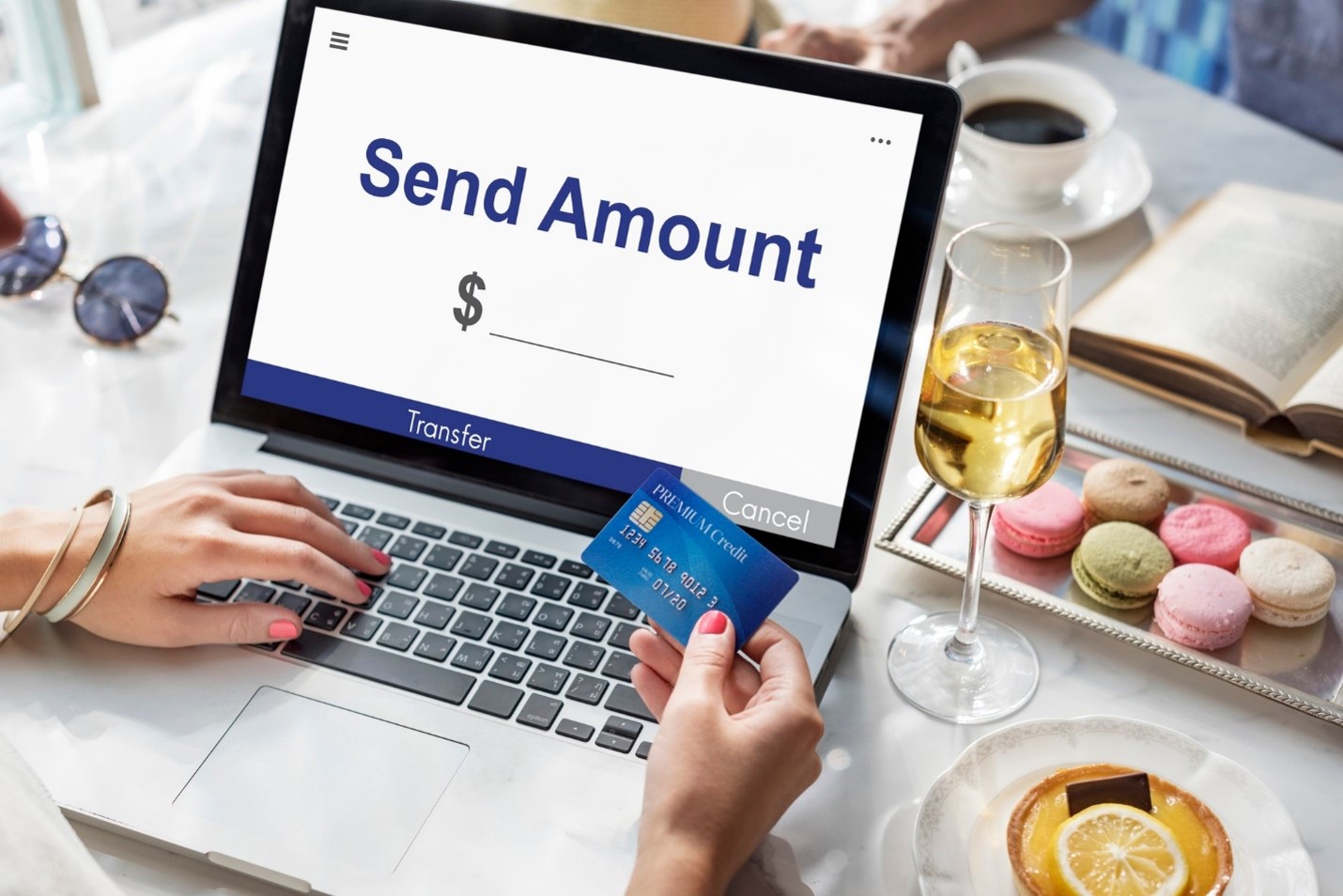
PayPal is not new. It's been around since the late 90s, and that long track record actually works in its favor. People already have accounts. Their card details are already saved. There's no friction, no re-typing numbers, no waiting on a verification code that never seems to arrive on time.
For anyone hesitant about handing card information to a smaller or newer platform, SMM PayPal payments feel like a safer middle step. You are not giving your card to the panel directly. You are giving it to PayPal and PayPal is the one talking to the panel. That distance matters psychologically even if the actual risk difference is small.
There's also the buyer protection angle. PayPal has dispute resolution built in. If a service never gets delivered or delivery is wildly different from what was promised, there's a formal path to raise that issue. Not every case gets resolved in the buyer's favor but having an option is better than having none which is often the case with bank transfers or certain crypto payments.
Speed Is Part Of The Appeal Too
Orders on SMM panels are usually processed within minutes, sometimes seconds. A payment method that adds delay defeats the purpose. PayPal transactions clear almost instantly on the panel's end so there's no awkward gap where a customer has paid but the order has not started and support tickets start piling up asking where the followers went.
I have noticed this pattern come up again and again in panel reviews and forum threads. Buyers rarely complain about PayPal delays. They complain about bank transfers sitting in pending status for hours or crypto payments needing three confirmations before anything moves.
What Makes a PayPal SMM Panel Trustworthy
Not every panel that lists PayPal as an option is actually reliable. Some display the logo without proper integration which leads to failed transactions or accounts getting flagged. A genuinely trustworthy PayPal SMM panel usually shows a few consistent signs.
- Clear refund and dispute terms listed before checkout not buried in a separate terms page nobody reads
- Instant or near-instant order processing once payment clears, with visible order status in the dashboard
Those two points sound basic but a surprising number of panels fail at both. If a site takes your PayPal payment and then makes you wait 24 hours for manual review, that's usually not a good sign.
Another thing worth checking is whether the panel supports partial refunds for incomplete orders. Sometimes an order starts but does not fully deliver, maybe due to a platform restriction or an account privacy setting. A panel that only offers all-or-nothing refunds through PayPal disputes is less buyer-friendly than one that handles it proactively.
Comparing PayPal With Other Options
Cards work fine too, and plenty of buyers still use them without issue. But cards do not offer the same layer of separation. If a card number gets compromised somewhere down the line, tracing where it happened is harder. PayPal, by keeping card details on its own servers and only sharing a token with merchants, reduces that exposure.
Crypto payments have grown in this space as well, mostly because they are anonymous and hard to reverse. That reversibility issue actually cuts both ways though. For a buyer, no reversibility means no protection if something goes wrong. For a panel worried about chargebacks that same trait is attractive. This is exactly why serious panels tend to keep PayPal as an option even when they add crypto rather than dropping it entirely.
Real World Buying Behavior
Anecdotally, and this lines up with what several panel operators have mentioned in industry write-ups, PayPal remains one of the highest-converting payment options at checkout, particularly for first-time buyers testing a service with a small order. New customers rarely want to commit to a $50 crypto purchase for a service they have never tried. A $10 order through PayPal feels low risk, and low risk gets more people through the door.
That first purchase experience shapes whether someone comes back. If checkout is smooth and the order arrives as promised, PayPal quietly does its job in the background and the buyer associates the good experience with the panel not necessarily the payment processor. That's the real value it brings even if it goes unnoticed most of the time.
Things To Keep In Mind
A few practical points worth remembering before choosing a panel:
- Always confirm PayPal is listed as an active, verified payment method and not just an image on the homepage.
- Check whether the panel has a visible support channel in case a payment goes through but the order does not reflect it right away.
Small checks like these save a lot of frustration later, especially for anyone placing recurring orders for business or client accounts.
Conclusion
PayPal has earned its place as a preferred payment method for SMM services mainly because it removes friction and adds a layer of protection that other methods struggle to match. It's fast, familiar and gives buyers a way to raise concerns if something doesn't go as expected. None of that guarantees a perfect experience every time but it tilts the odds in the buyer's favor, which is more than most payment options can claim in this space. Social Media Marketplace supports this preference by keeping checkout simple and reliable for anyone placing an order.
FAQs
Is it safe to use PayPal on an SMM panel?
Yes, as long as the panel has genuine PayPal integration rather than just displaying the logo. Genuine integration means your card details stay with PayPal, not the panel itself.
Why do some SMM panels not accept PayPal?
PayPal has strict policies around certain types of digital services, so some panels avoid it to prevent account restrictions, relying instead on cards or crypto.
Can I get a refund through PayPal if my SMM order fails?
In many cases yes, especially if the panel has clear refund terms. PayPal's dispute system also gives buyers a backup option if the panel itself doesn't resolve the issue directly.
Is PayPal faster than other payment methods on SMM panels?
Generally yes. PayPal payments clear almost instantly, which means order processing can begin right away instead of waiting on bank confirmations or crypto network confirmations.


 100% Safe
 100% Safe
 100% Safe